When people hear the term “software education,” many immediately think of coding. While coding is an important part of it, software education goes far beyond writing lines of code. It is a holistic learning process that builds skills in problem-solving, teamwork, creativity, project management, and digital responsibility.
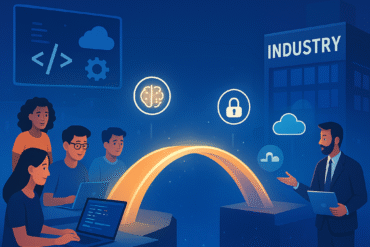
Modern software education includes subjects like software design, cybersecurity, artificial intelligence, cloud computing, and data science. It trains learners to think critically about how technology impacts society, ensuring that they not only develop technical skills but also understand the ethical and social responsibilities of using technology.
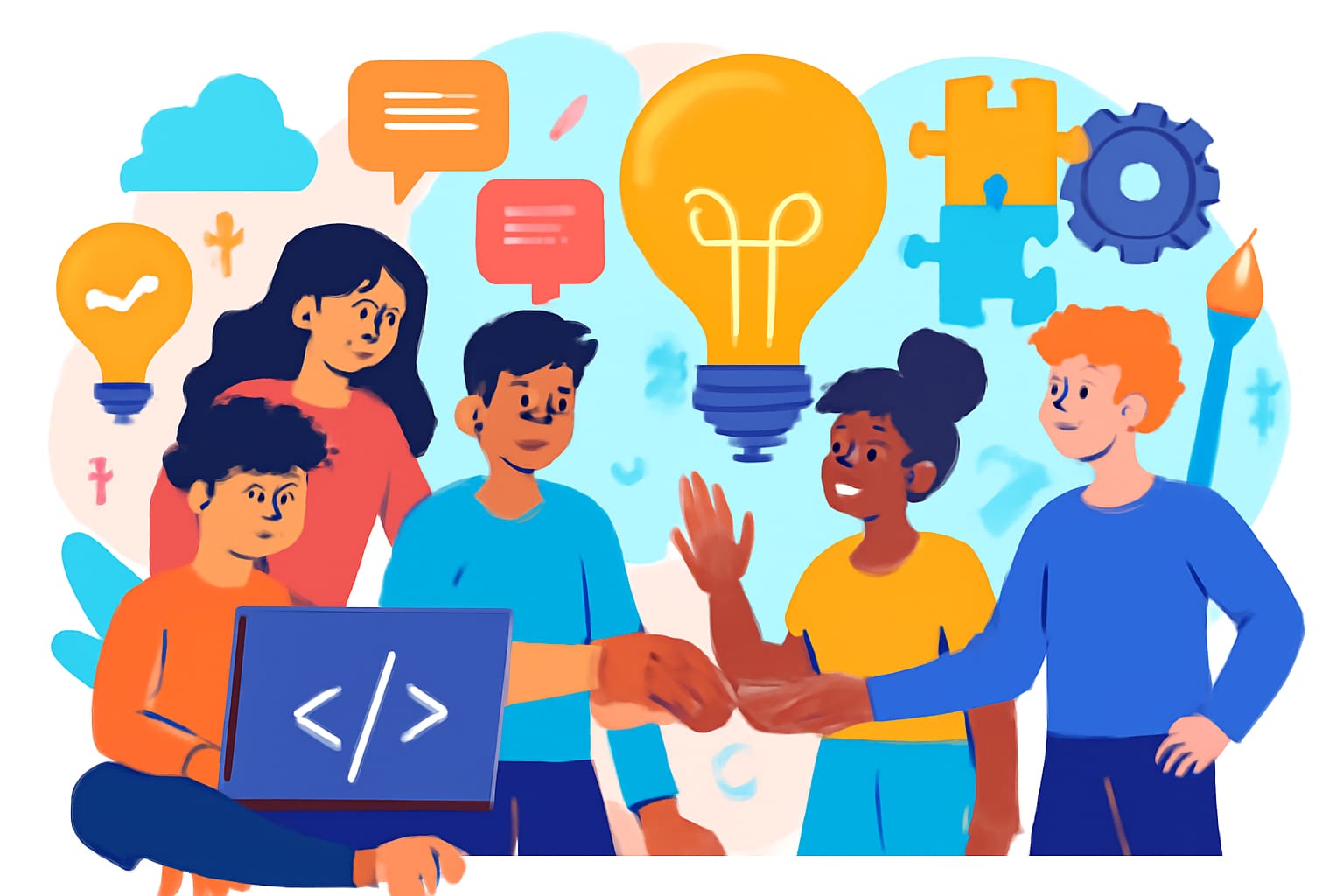
Moreover, software projects often require collaboration. Students learn how to work in teams, manage tasks, and communicate effectively—skills that are equally valuable in real-world careers. By engaging in project-based learning, they experience what it feels like to develop real applications, manage deadlines, and deliver solutions to real problems.
Another crucial part of software education is digital citizenship. Students are taught how to use technology safely, protect their privacy, and respect intellectual property. This prepares them to be responsible contributors to the digital world.
In essence, software education is about shaping well-rounded digital creators, not just coders. It empowers learners with technical, social, and ethical skills to thrive in a technology-driven society. As industries evolve, this broader perspective is what truly prepares students for the future.