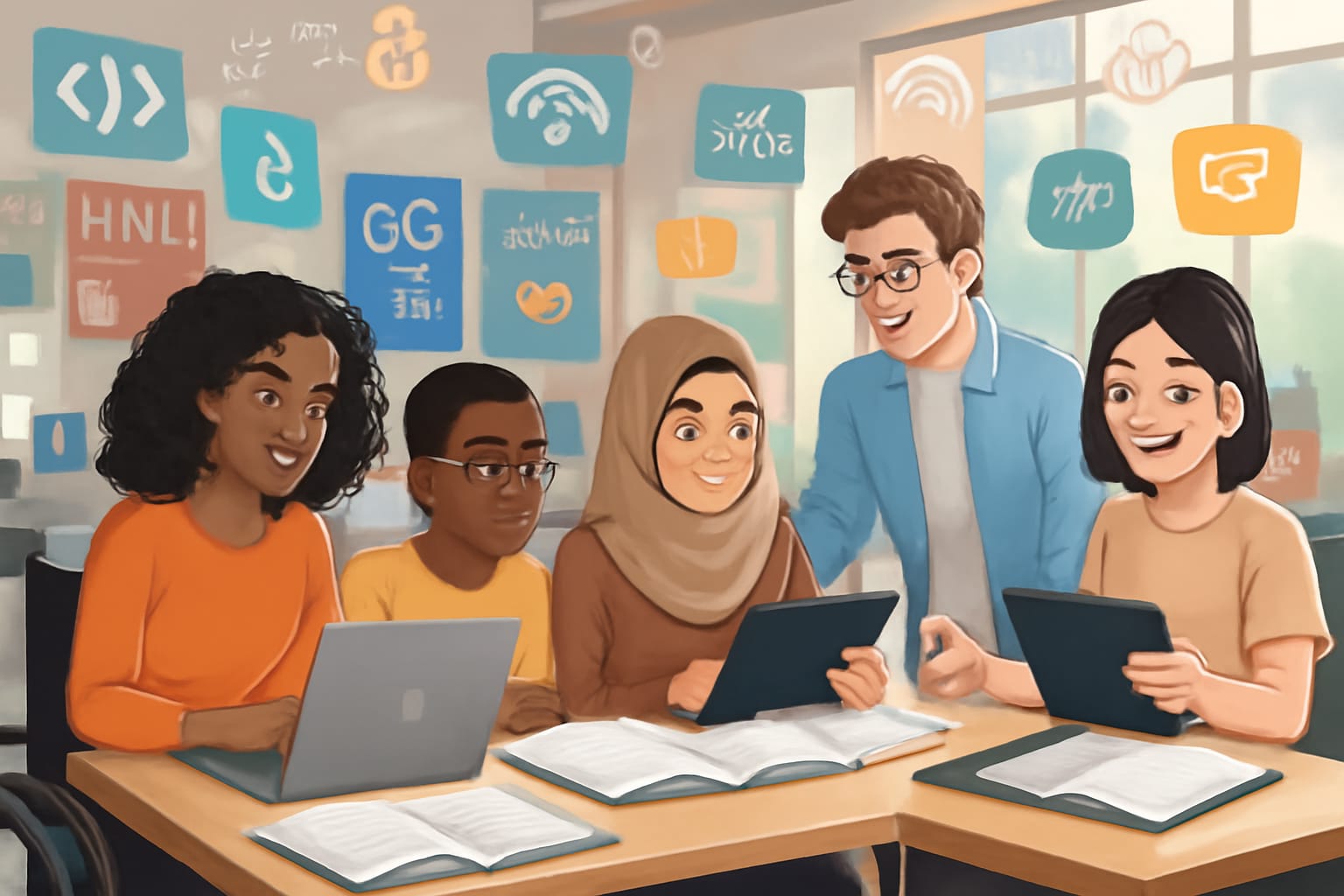
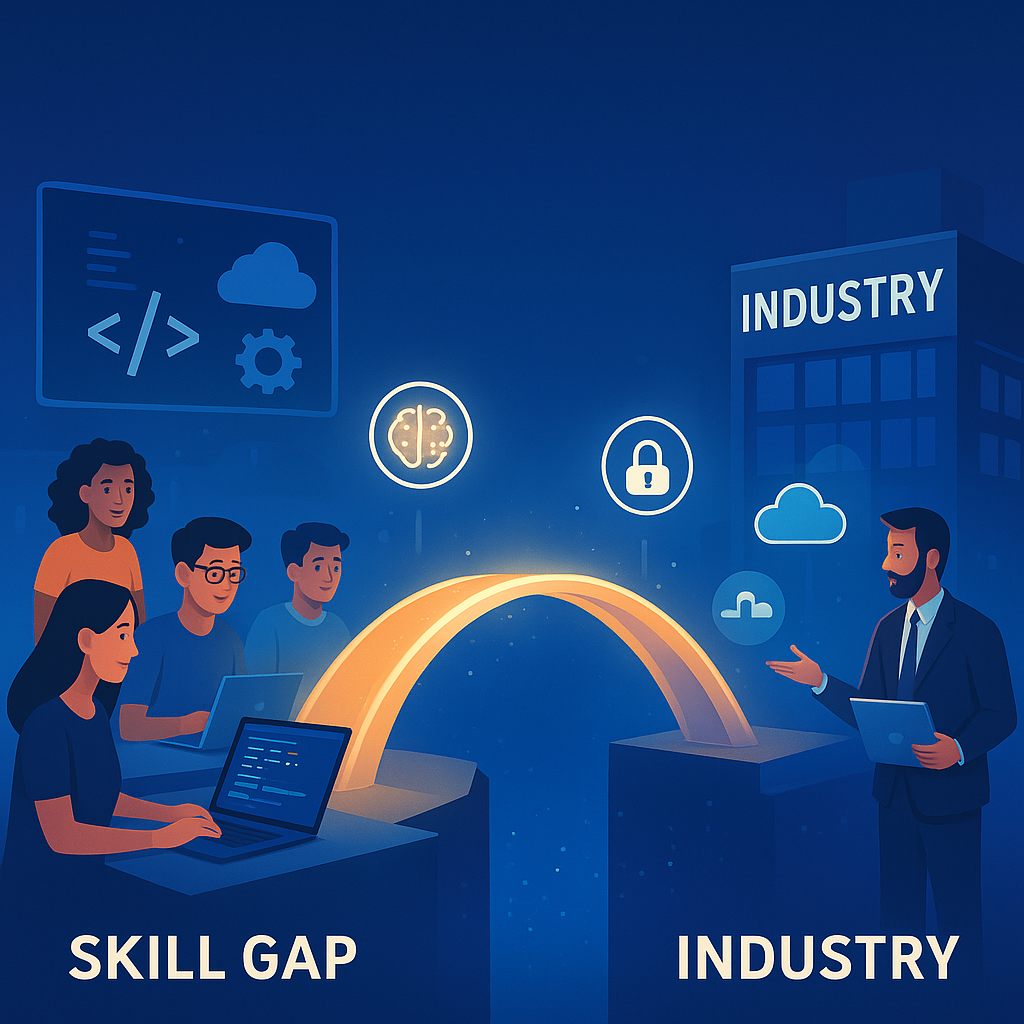
In today’s fast-paced digital economy, one of the biggest challenges faced by industries worldwide is the skill gap—the gap between the skills employees have and the skills employers need. This gap often limits growth, slows innovation, and reduces opportunities for individuals. Software education emerges as the most powerful solution to bridge this gap and prepare the workforce for the future.
Software education equips learners with in-demand skills such as coding, data analytics, artificial intelligence, cybersecurity, and cloud computing. These are the very skills industries require to remain competitive in a rapidly evolving digital environment. By integrating software education into schools, colleges, and training programs, students and professionals alike can stay updated with market demands.
For companies, this means they no longer need to struggle to find the right talent; they can nurture it directly through training programs and educational partnerships. For individuals, it opens the door to better career opportunities, higher salaries, and the ability to adapt to technological change.
The benefits extend globally too. Nations that emphasize software education are better positioned to innovate, attract investments, and create new job sectors. This reduces unemployment, strengthens economies, and ensures young professionals are not left behind in the digital revolution.
In short, software education bridges the gap between aspirations and opportunities. It not only solves the skill mismatch but also empowers learners and industries to co-create a future defined by growth, innovation, and inclusivity.