
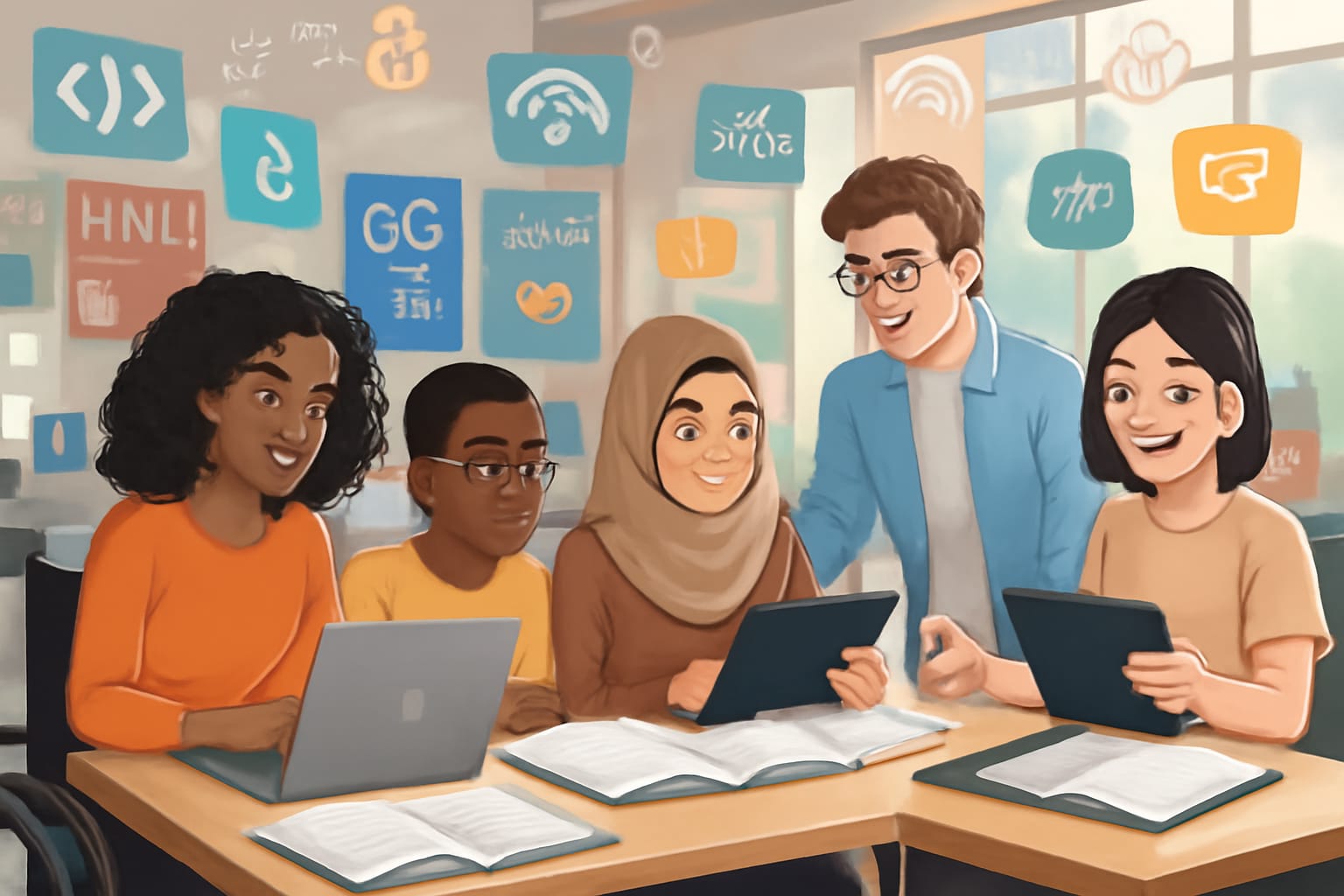
In today’s digital-first world, software education is no longer optional—it is essential. Just as mathematics, science, and language are considered core subjects in schools, software education deserves the same status. Every student, regardless of their future career, will rely on digital tools and platforms, making software knowledge a fundamental life skill.
Introducing software education early helps students develop logical thinking, creativity, and problem-solving abilities. It prepares them for the demands of a workforce that is increasingly driven by technology, from healthcare to finance, from education to entertainment. Learning programming languages, app development, and digital tools ensures that students are not just consumers of technology but creators of it.
Moreover, software education fosters inclusivity. With access to coding and software courses, students from both urban and rural areas can compete equally on a global stage. This democratization of learning narrows the digital divide and empowers students from all backgrounds to pursue careers in technology.
The benefits extend beyond jobs. Software education also equips students with entrepreneurial skills, enabling them to create startups, apps, and solutions that address real-world problems. Schools that integrate software into their curriculum give students the confidence to innovate, collaborate, and adapt to change.
In short, software education must be a part of every curriculum because it is the foundation of tomorrow’s workforce, innovation, and global competitiveness. Without it, students risk being left behind in a world that is moving rapidly toward a digital future.


